
Freight Shipping Resources

Freight shipping guides for smarter shipments.
Practical information to help you choose the right service, match freight with the right equipment, prepare for pickup and understand the terms you will hear in freight.
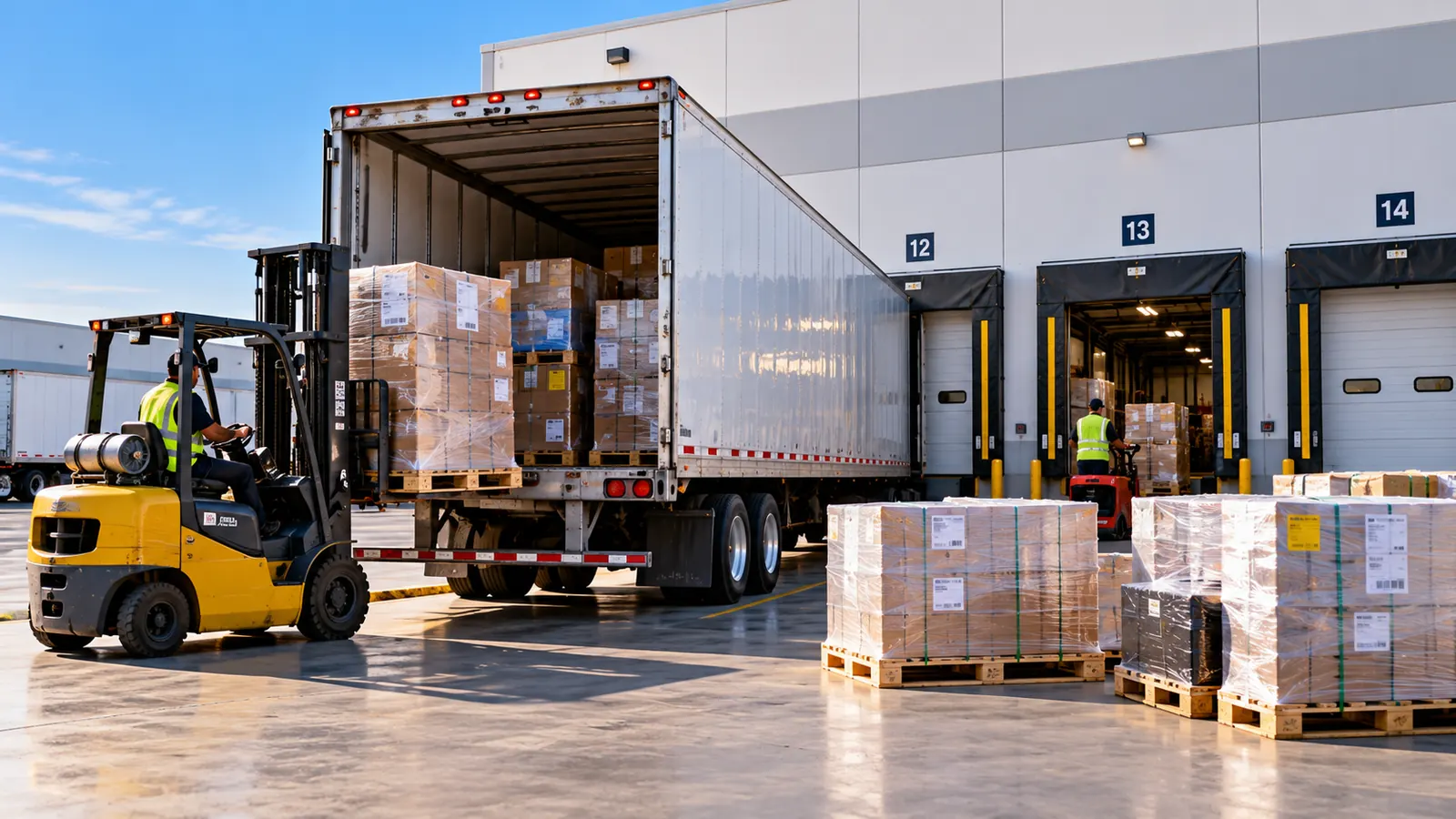
How to choose the right freight service
Three questions usually decide the right service: how big is the shipment, how urgent is it, and does it need special handling?
How much are you shipping?
Up to about 2 pallets often fits a cargo van, about 3 a Sprinter van. About 1 to 6 non-urgent pallets usually fits LTL, and about 10 or more pallets is usually full truckload.
When does it need to arrive?
If the deadline is tight, expedited freight on a dedicated vehicle is the fastest option. For planned long-haul freight, intermodal can lower costs.
Does it need special equipment?
Temperature-sensitive goods need refrigerated trailers, heavy or oversized loads need flatbed equipment, and ocean containers need drayage.
Freight equipment capacity chart
Typical guidelines for common equipment. Actual limits vary by vehicle, configuration and state regulations.
| Equipment | Typical payload | Typical pallets | Best for |
|---|---|---|---|
| Cargo Van | Up to about 2,000 lbs | Up to 2 | Small urgent shipments |
| Sprinter Van | Up to about 3,250 lbs | Up to 3 | Urgent freight, taller items |
| Straight Truck | Varies by truck | Up to about 10 (20 stacked) | Larger expedited and regional freight |
| 53′ Dry Van | Up to about 43,000 lbs | 26 (up to 52 stacked) | Full truckload general freight |
| 53′ Reefer | Up to about 43,000 lbs | 26 | Temperature-controlled freight |
| 48′ Flatbed | Up to about 44,000 lbs | Varies | Heavy, oversized, open-deck loads |
Freight pickup checklist
Having this information ready before you request a quote helps avoid delays, re-weigh charges and missed appointments.
Ready to ship? Send your shipment details or call 470-380-6728.
- Addresses: pickup and delivery locations with ZIP codes and facility type.
- Timing: ready date, delivery deadline and appointment windows.
- Freight details: commodity, weight, piece or pallet count and dimensions.
- Packaging: freight palletized, shrink-wrapped and clearly labeled.
- Paperwork: bill of lading and any special instructions ready for the driver.
- Special needs: liftgate, temperature, hazmat, tarping or limited access.
Freight shipping glossary
Common freight terms explained in plain language.
Accessorial charges
Fees for services beyond standard pickup and delivery, such as liftgate, inside delivery, residential delivery, appointments, detention or extra stops.
Bill of lading (BOL)
The shipping document that lists the freight, shipper, consignee and terms of the shipment. It serves as a receipt for the freight and a contract for its transportation.
Demurrage
A charge for leaving a container at a port or rail terminal beyond its allowed free time.
Detention
A charge when a truck is held at a pickup or delivery location longer than the agreed free time for loading or unloading.
Drayage
The short-distance trucking of containers between a port or rail terminal and a nearby location.
Expedited freight
Time-critical freight moved on a dedicated vehicle directly from pickup to delivery, often by cargo van, Sprinter van or straight truck.
Freight broker
A company that arranges transportation for shippers with authorized motor carriers and manages the shipment, without operating the trucks itself.
Freight class
A standardized classification used to price LTL shipments, based on factors such as density, handling and liability.
FTL (full truckload)
A shipment that uses a dedicated trailer moving directly from pickup to delivery.
Intermodal
Freight moved in a container using more than one mode, usually rail for the long haul and truck at each end.
Last free day (LFD)
The final day a container can stay at a terminal before demurrage or storage charges begin.
Liftgate
A powered platform on the back of a truck that lowers freight to the ground at locations without a loading dock.
LTL (less-than-truckload)
A shipment that shares trailer space with other shippers’ freight, priced by the space and weight it uses.
Per diem
A daily charge for keeping a container or chassis outside the terminal longer than allowed.
Proof of delivery (POD)
The signed document confirming that freight was delivered, including the date, time and the name of the person who received it.
Reefer
A refrigerated trailer that keeps freight at a set temperature during transit.
Tell us about your shipment.
Send us the pickup and delivery locations, commodity, weight, dimensions, equipment needs and timing. Our team will review your requirements and follow up with a quote and available capacity.
- Phone
- 470-380-6728
- info@ankaunitedinc.com
- Office
- 168 Northfield Cir, Dawsonville, GA 30534
- Hours
- 24/7 dispatch and support

